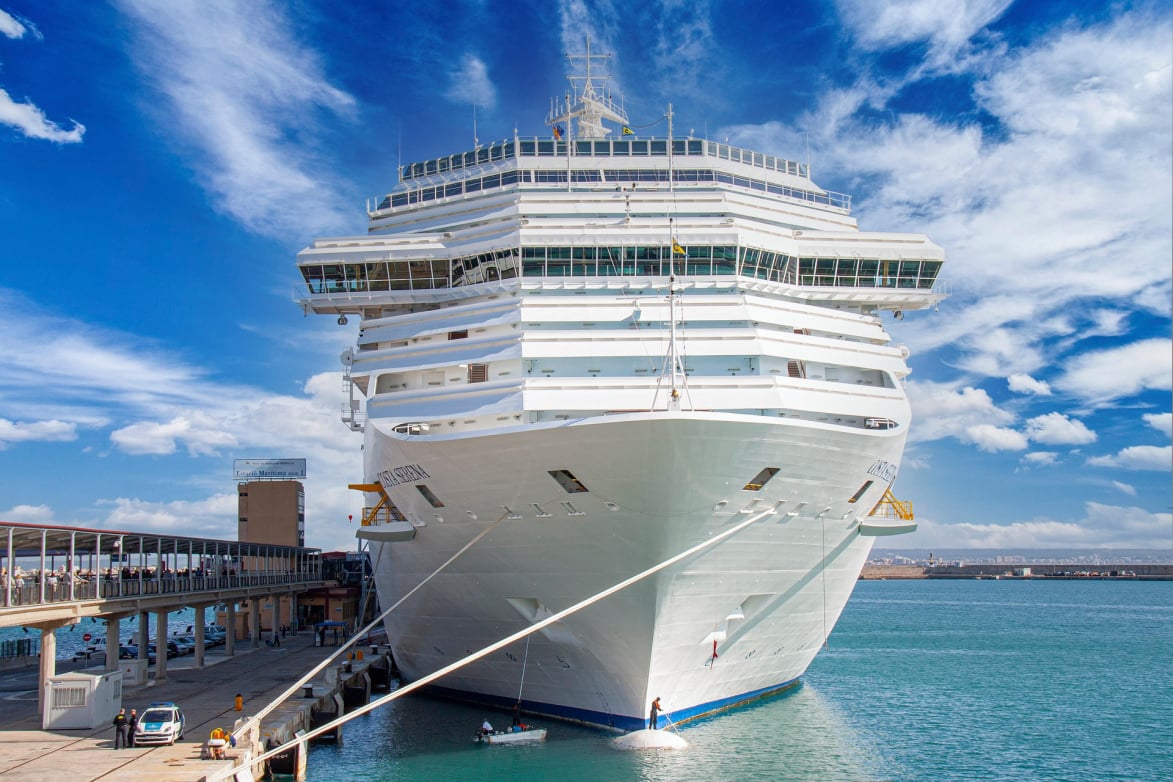
Cruising has become one of the fastest-growing ways to travel, offering the chance to visit multiple countries, cities and islands during a single holiday. Whether you're sailing around the Mediterranean, exploring the Caribbean, discovering Northern Europe or embarking on a transatlantic voyage, staying connected is now an important part of the travel experience. From checking travel information to navigating ports and communicating with family, mobile connectivity has become an essential tool for modern cruise passengers.
A Cruise eSIM offers travellers a convenient way to access mobile data before boarding, while visiting ports of call, and after disembarking. As eSIM-compatible smartphones become increasingly common, digital SIM technology is providing a simple alternative to traditional roaming and physical SIM cards, helping travellers stay connected throughout every stage of their cruise holiday.
An eSIM is a digital SIM that is permanently built into many modern smartphones, tablets and wearable devices. Instead of purchasing and inserting a physical SIM card, users install a digital mobile profile directly onto their device. Once activated, the eSIM connects to supported mobile networks in much the same way as a traditional SIM card, but without requiring any physical hardware.
One of the greatest advantages of eSIM technology is flexibility. Many travellers can install an eSIM before leaving home, allowing their device to connect to a mobile network shortly after arriving at their departure destination. This removes the need to search for mobile phone shops, compare local SIM cards or spend time changing SIMs while travelling.
Understanding how mobile connectivity works during a cruise is important because the experience differs significantly between time at sea and time spent in port. While sailing in international waters, ships are generally outside the range of land-based mobile networks. Instead, internet access is usually provided through satellite communication systems operated by the cruise line.
Satellite internet enables passengers to browse the web, send messages and access online services while sailing. However, speeds, availability and pricing vary between cruise operators, and internet packages are typically separate from standard mobile network services. Travellers should therefore understand the options available before relying on mobile connectivity throughout the voyage.
A Cruise eSIM is particularly useful once the ship reaches a port. As soon as passengers are back within range of terrestrial mobile networks, compatible devices can reconnect automatically, allowing travellers to use maps, translation apps, messaging services and internet browsing while exploring each destination.
Many cruise itineraries involve visiting several different countries in a relatively short period. Depending on the route, passengers may wake up in a different city almost every morning. This makes mobile connectivity particularly useful for researching local attractions, checking transport options, finding restaurants and planning independent sightseeing without relying entirely on organised excursions.
Navigation is one of the biggest benefits of mobile data while ashore. Historic cities, unfamiliar transport systems and large cruise terminals can be challenging to navigate without digital maps. Mobile navigation helps travellers find museums, landmarks, beaches, cafés and shopping areas while ensuring they can return to the ship before departure time.
Many travellers also rely on their smartphones for storing digital travel documents. Boarding passes, cruise confirmations, shore excursion tickets, hotel bookings and onward travel arrangements are often held electronically. Reliable internet access allows these documents to remain easily accessible throughout the journey whenever updates or additional bookings are required.
Communication is another key reason many people choose mobile connectivity during a cruise. Internet-based messaging applications allow travellers to stay in contact with family and friends back home, arrange meeting points during shore excursions and share holiday photographs while travelling between destinations.
Cruise holidays are no longer limited to leisure travellers. Many professionals now combine business with personal travel, extending work trips into holidays or working remotely while sailing. Mobile connectivity during port visits enables access to email, cloud storage, video conferencing and business applications without depending solely on onboard satellite internet.
Before choosing an eSIM, travellers should confirm that their smartphone or tablet supports the technology. Most premium devices released over recent years include eSIM capability, although support varies depending on the manufacturer, operating system and region where the device was purchased. Checking compatibility before departure helps ensure a straightforward installation process.
Selecting the right data allowance is equally important. Casual users who primarily access maps, messaging applications and travel information generally require relatively little data. However, passengers uploading large numbers of photos, streaming media or working remotely during port visits may need significantly larger data allowances.
Security should always be considered while travelling internationally. Although public Wi-Fi is often available in cruise terminals, cafés and tourist attractions, travellers should exercise caution when accessing sensitive accounts over open wireless networks. Mobile data provides a more secure option for online banking, business systems and personal communications.
Environmental considerations have also contributed to the increasing popularity of eSIM technology. Because there is no plastic SIM card to manufacture, package or transport, digital SIMs reduce waste and simplify the activation process. As adoption continues to grow, eSIM technology is helping support more sustainable approaches to international mobile connectivity.
As smartphones continue to evolve, digital SIM technology is expected to become the standard method of connecting mobile devices around the world. Manufacturers are expanding support across new devices, while mobile network providers continue improving digital activation and international coverage options for travellers.
Ultimately, a Cruise eSIM provides a practical and flexible way for travellers to stay connected throughout their cruise holiday whenever land-based mobile coverage is available. By understanding the difference between onboard satellite internet and mobile connectivity in port, passengers can make informed decisions, manage their data usage effectively and enjoy a smoother, more connected travel experience from departure to homecoming.


