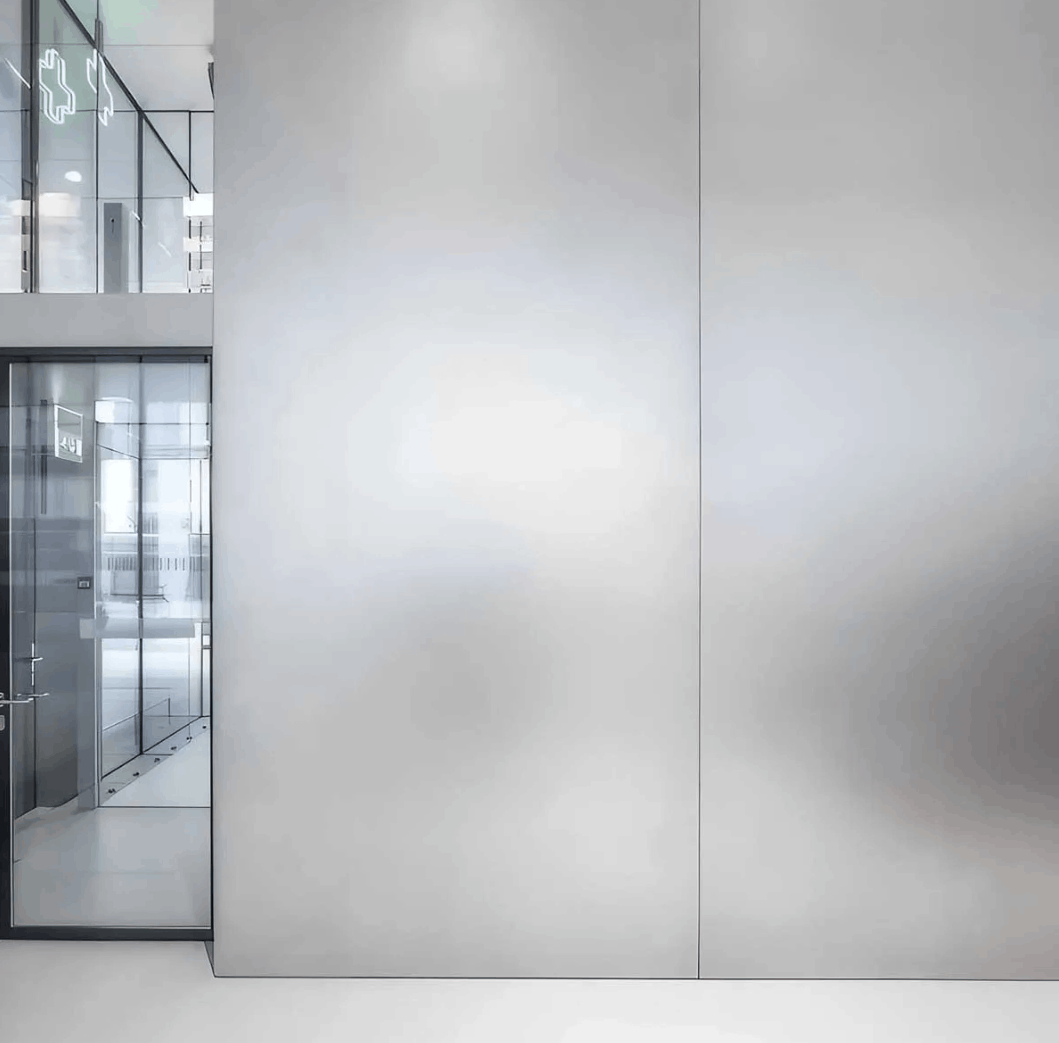
Steel internal wall panels are a highly effective solution for creating durable, hygienic, and professional interiors in commercial and industrial environments. Designed to protect walls from damage while supporting strict cleaning regimes, steel panels are widely used across commercial kitchens, food production facilities, healthcare settings, laboratories, workshops, and high-traffic service areas. Their popularity is driven by a combination of strength, hygiene performance, and long-term value.
Internal walls in commercial environments face far greater demands than those in domestic settings. They are exposed to frequent contact, impact from equipment and trolleys, moisture, heat, and repeated cleaning. Painted finishes and plasterboard struggle to cope under these conditions, often leading to peeling, cracking, staining, and hidden moisture damage. Steel internal wall panels are designed to overcome these issues by providing a hard-wearing, non-porous surface that protects the structure of the building.
One of the most significant advantages of steel internal wall panels is hygiene. Stainless steel panels, in particular, offer a smooth, non-absorbent surface that does not harbour bacteria, grease, or moisture. This makes them easy to clean and sanitise, which is essential in food preparation, healthcare, and laboratory environments. Unlike tiled walls, steel panels do not rely on grout lines that can crack or discolour, reducing long-term hygiene risks.
Durability is another key reason steel wall panels are specified. In high-traffic environments, walls are frequently knocked by equipment, delivery carts, and staff movement. Steel panels resist dents and surface damage far better than alternative materials. Even when minor marks occur, steel remains structurally sound and hygienic, ensuring continued performance without the need for frequent repairs.
Steel internal wall panels are available in a range of grades, finishes, and thicknesses to suit different applications. Stainless steel is commonly used in hygiene-critical environments due to its corrosion resistance and ease of cleaning. Other steel options may be used in dry or controlled environments where additional coatings or finishes are applied. Selecting the correct specification ensures panels perform reliably under the conditions they will face.
Finish choice affects both appearance and maintenance. Brushed or satin finishes are often preferred for internal wall panels because they provide a professional look while helping to disguise fingerprints, water marks, and light scratches. Polished finishes can be used where visual impact is important, such as customer-facing areas, but they typically require more frequent cleaning to maintain their appearance.
Thickness selection also matters. Thicker panels provide greater rigidity and resistance to impact, making them suitable for busy environments or areas where equipment regularly contacts walls. Thinner panels may be appropriate for decorative applications or zones with minimal physical stress. Matching thickness to use helps ensure cost-effective performance.
Installation quality is critical to the success of steel internal wall panels. Panels must be installed onto suitable substrates that are clean, dry, and flat. Fixing methods may include specialist adhesives, mechanical fixings, or a combination of both. Adhesive fixing is often chosen for its ability to create a flush, seamless appearance, while mechanical fixings may be used where additional security is required.
Detailing plays a vital role in hygiene performance. Joints, corners, and edges must be finished correctly using profiles, trims, or folded edges. Proper detailing prevents moisture ingress and dirt accumulation, making surfaces easier to clean and inspect. In hygiene-critical environments, joints are often sealed with hygienic silicone to maintain a watertight finish.
Steel internal wall panels are commonly used as part of integrated wall systems. For example, stainless steel panels may be installed in high-risk zones such as behind cooklines or sinks, while hygienic PVC panels are used on surrounding walls. Aluminium chequer plate may be added at lower wall levels for impact protection. This layered approach allows materials to be used where they perform best, balancing durability, hygiene, and cost.
Another advantage of steel internal wall panels is their versatility in design. Panels can be supplied cut to size, with openings for sockets, switches, and services. They can also be fabricated with returns, folds, or integrated features to suit specific layouts. This flexibility makes steel panels suitable for both new-build projects and refurbishments.
Maintenance requirements for steel internal wall panels are relatively low. Regular cleaning with appropriate non-abrasive products helps maintain hygiene and appearance. While cosmetic wear may develop over time in busy environments, steel panels continue to function as effective hygienic surfaces. This reliability reduces ongoing maintenance costs and downtime.
Steel internal wall panels also contribute to fire safety. Steel is non-combustible and performs well in environments where heat exposure is a concern. While wall panels alone do not provide fire protection, using non-combustible materials reduces overall risk and supports safer building design.
From a cost perspective, steel internal wall panels offer strong lifecycle value. Although the initial investment may be higher than basic wall finishes, their durability, low maintenance requirements, and long service life often result in lower total costs over time. Reduced repairs, fewer replacements, and easier cleaning all contribute to long-term savings.
At StainlessSteelCladding.co.uk, steel internal wall panels are specified with a focus on real-world performance. Material selection, finish, thickness, and installation method are tailored to the environment, ensuring panels deliver reliable results in demanding commercial settings.
In summary, steel internal wall panels provide a robust, hygienic, and professional solution for commercial interiors. They protect walls, support cleaning routines, and maintain appearance under heavy use. When specified correctly and installed with attention to detail, steel internal wall panels deliver long-term performance and value across a wide range of industries.


