Successful organisations depend on people who can work well with others, communicate clearly and understand the impact of their behaviour. Technical ability is important, but workplace performance is also shaped by trust, collaboration, leadership and accountability. This is why many organisations look beyond traditional appraisals and use broader feedback methods to support development.
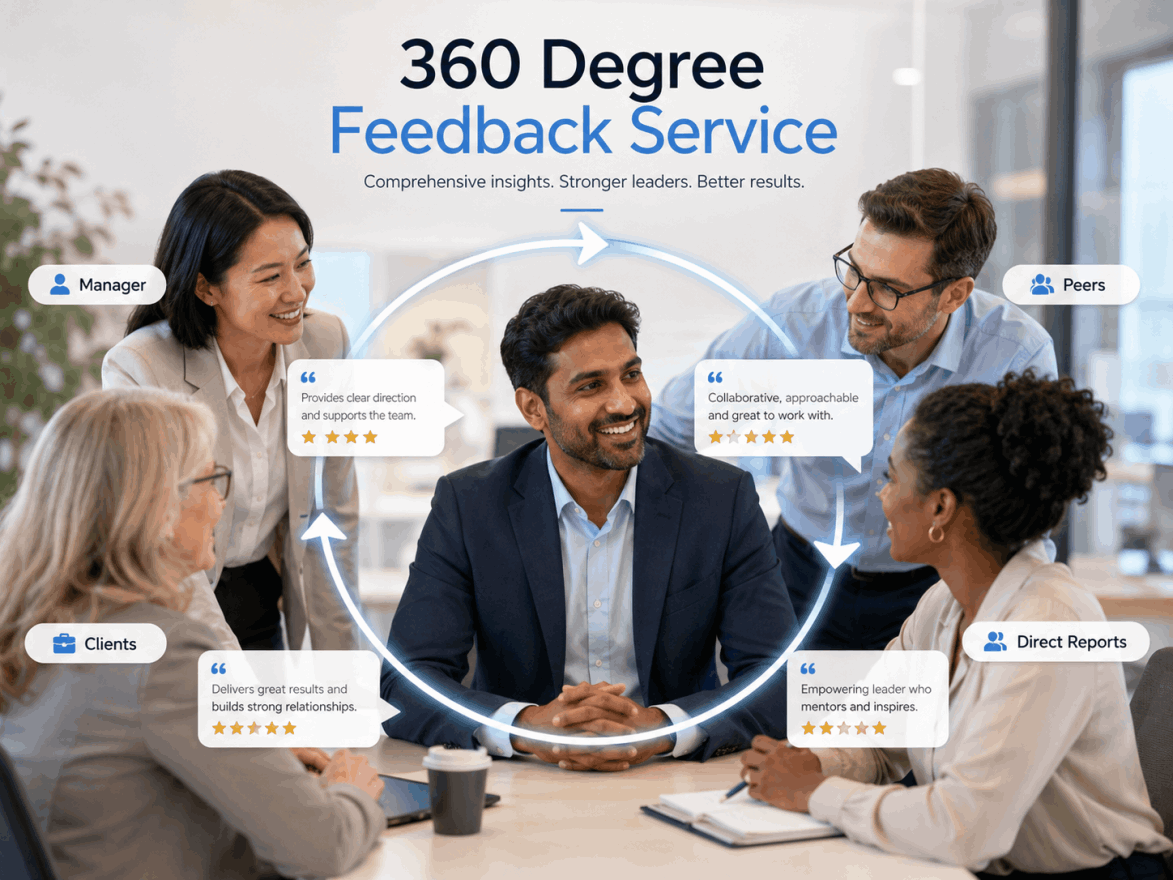
A 360 degree feedback service allows organisations to collect feedback from different people who interact with an individual in the workplace. This can include managers, peers, direct reports, project colleagues and sometimes external stakeholders. By gathering views from several perspectives, the process provides a more complete understanding of strengths, working style and development needs.
One of the main reasons organisations use this type of service is to improve self-awareness. People often judge themselves by their intentions, while others judge them by their actions and behaviours. Feedback from multiple sources can show whether communication, leadership and teamwork are being experienced in the way the individual expects.
This can be particularly useful for managers and team leaders. Their behaviour can influence morale, motivation, productivity and staff retention. A manager may believe they are supportive and approachable, but feedback may show that some team members need clearer guidance, more regular updates or better recognition. These insights can help managers adapt their approach.
A structured feedback service also makes the process more consistent. Instead of collecting informal opinions, organisations can use carefully designed questions that focus on relevant behaviours. These may include listening, delegation, decision-making, conflict management, reliability, coaching, collaboration and communication. Clear questions help produce feedback that is easier to interpret and act upon.
Confidentiality plays an important role in the quality of responses. If people feel uncomfortable or exposed, they may avoid giving honest feedback. A well-managed process should explain how responses will be protected, how results will be reported and what the feedback will be used for. This helps create trust and encourages more meaningful participation.
The reporting stage is also important. Feedback should be presented clearly, showing patterns rather than overwhelming the individual with disconnected comments. A useful report should highlight what the person does well, where development may be needed and whether different groups experience their behaviour differently. This helps turn the feedback into practical insight.
A balanced approach matters. The purpose of feedback is not to criticise or embarrass someone. It should help individuals understand their strengths as well as their blind spots. Strengths can be developed further, while weaker areas can be addressed through training, coaching, mentoring or changes in daily working habits.
Support after the feedback has been delivered can make a major difference. Some individuals may find the results motivating, while others may feel surprised or defensive. A guided review with a coach, facilitator or HR professional can help the person reflect on the themes calmly and choose sensible next steps.
Action planning is where the process becomes most valuable. Without action, feedback is only information. Individuals should identify a small number of priorities and create practical goals. These might include improving meeting communication, giving clearer feedback, delegating more effectively, following up on agreed actions or making time for regular team conversations.
Organisations can also use the results to improve wider development planning. If several managers receive similar feedback, it may indicate a common training need. For example, recurring themes around communication, coaching or decision-making could lead to targeted leadership programmes. This makes the process useful at both individual and organisational level.
A 360 feedback process can also support succession planning. Employees preparing for promotion may benefit from understanding how they are currently perceived by others. This can help them develop the behaviours needed for a more senior role before they step into it. Early feedback can reduce avoidable leadership challenges later.
The process should be introduced carefully. People need to understand why feedback is being collected, who will be invited to respond and how the information will be used. Clear communication helps reduce anxiety and prevents the process from feeling like a hidden assessment. When positioned as a development tool, it is more likely to be accepted positively.
It is also important to choose suitable respondents. Feedback should come from people who have enough direct experience of working with the individual to give fair and useful comments. Including respondents with little contact can weaken the quality of the results. A balanced group helps create a more accurate picture.
In summary, a 360 degree feedback service can help organisations build more self-aware, effective and collaborative teams. By collecting confidential feedback from multiple sources, individuals gain a clearer understanding of their workplace impact. When combined with clear reporting, support and action planning, the process can improve communication, leadership behaviour and overall performance.


